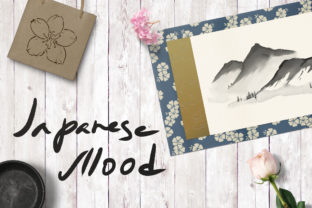
Japanese Mood: A Designer's Real-World Review
As a designer who has spent years curating assets for both personal projects and commercial lines, I approach every new machine embroidery design with a specific set of questions. Does it translate well from screen to fabric? Will it hold up after multiple washes? Most importantly, does it add genuine value to the finished product? When I first opened the file for Japanese Mood, categorized under Illustrations, I was looking for that elusive blend of artistic flair and technical reliability. The result is a design that feels less like a generic clip-art pattern and more like a curated piece of art ready for the hoop.
The First Impression: Atmosphere and Composition
The immediate impact of Japanese Mood is its atmospheric depth. Unlike many designs that rely on heavy outlines or chaotic details, this piece leans into negative space and fluid lines, creating a serene visual personality. For an embroidery project, this is crucial. It suggests a style that works beautifully on items where subtlety sells the product, such as high-end tote bags or minimalist nursery decor. The layout feels balanced, avoiding the common pitfall of being too top-heavy or cluttered in the center. When you are planning a handmade product, the composition dictates how the customer interacts with the item, and Japanese Mood invites the eye to wander rather than stare at a single focal point.
In my initial review, I noticed how the shapes interact with potential stitch types. The curves suggest smooth satin stitch work, while the broader areas seem primed for a clean fill stitch. This versatility is what separates a good design from a great one. It allows the maker to adjust thread colors and textures without losing the integrity of the original illustration.
Real-Life Application: From File to Finished Product
To truly understand the utility of Japanese Mood, I visualized it in a real-world scenario: creating a limited run of custom embroidered sweatshirts for a boutique shop. In this context, the design serves as the centerpiece of the chest area. Because the illustration has a distinct mood, it elevates a basic garment into a statement piece. Imagine a heather grey sweatshirt; the contrast of the thread colors against the fabric texture would make the design pop without overwhelming the wearer. This is exactly the kind of asset an Etsy seller or small business owner needs to differentiate their brand from mass-market competitors.
I also considered its use on smaller items, like a personalized gift for a baby shower. The gentle nature of the illustration makes it perfect for baby embroidery on onesies or receiving blankets. Here, the lack of aggressive angles ensures the design remains soft and approachable. Alternatively, for a craft fair booth, using Japanese Mood on a series of kitchen towels or aprons could create a cohesive collection that speaks to a love of home and tranquility. The design adapts seamlessly from apparel to home goods, proving its worth as a versatile digital embroidery file.
Navigating Challenges: Where Caution is Key
While Japanese Mood is robust, experienced designers know that no design is foolproof. There are specific situations where this illustration requires careful handling. If you are working with very thin or stretchy fabric, the density of the fill stitches might cause puckering. Always test the design on scrap fabric first to gauge the tension. Similarly, if you plan to use this on dark fabrics, you will need to ensure the stitch density is sufficient to provide full coverage, or consider using an applique design technique to layer the background.
Another critical factor is the hoop size. While the design appears compact, intricate details can get lost if the hoop is too small, forcing the machine to stitch in tight quarters. Conversely, if the design is scaled too large for a cap or curved surface, the lines may distort. I recommend inspecting the small details closely before committing to a final run. On textured fabrics like denim or canvas, the running stitch elements might appear slightly broken, which can be a stylistic choice but should be anticipated during your mockup phase.
Impact on Brand Value and Customer Perception
For those running a craft business, the choice of design directly influences customer trust and perceived value. A design like Japanese Mood signals professionalism. It shows that you care about aesthetics and quality, not just speed. When a customer sees a finished product with this level of detail, they are more likely to engage with your brand and return for future purchases. Whether you are selling custom apparel or holiday embroidery gifts, the visual appeal of the design acts as a silent salesperson.
Furthermore, consistency is key for boutique branding. Using a cohesive theme across different products—such as matching the Japanese Mood aesthetic with your packaging or printable mockup—creates a recognizable identity. This helps in building a loyal following among buyers who appreciate thoughtful, artistic design assets. The design enhances the handmade presentation, making each item feel unique and carefully crafted rather than mass-produced.
Practical Notes for the Embroidery Designer
Before integrating Japanese Mood into your workflow, follow these practical steps to ensure success:
- Test on Scrap Fabric: Always run a test stitch on the actual material you intend to use. Check for puckering, especially on lightweight knits.
- Check Thread Contrast: Ensure the thread colors stand out against your chosen fabric. A subtle design can disappear on a busy pattern.
- Review Stitch Density: Adjust the density settings if you notice gaps in the fill or excessive bulk in the satin areas.
- Confirm Hoop Size: Verify that the design fits comfortably within your hoop without needing awkward re-hooping mid-stitch.
- Use Proper Stabilizer: Invest in a high-quality stabilizer to support the design, particularly on stretchy or delicate fabrics.
- Mockup in Black and White: Test the design in grayscale to see if the tonal values work before spending expensive threads.
- Licensing Check: Confirm the licensing terms before selling finished items or digital files. Ensure you have the rights for commercial embroidery use.
Ultimately, Japanese Mood is more than just a file; it is a tool for storytelling through thread. Whether you are a hobbyist looking to create a special embroidered patch or a professional decorator launching a new line, this design offers the flexibility and beauty needed to create memorable pieces. By approaching it with the right preparation and technical care, you can transform a simple Illustration into a standout feature of your next project.