Fall Clipart: A Designer's Real-World Review
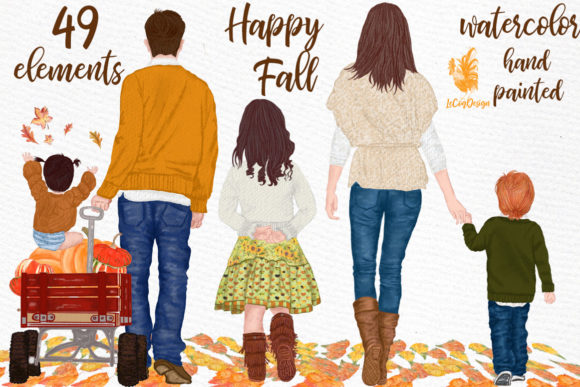
As a designer who has spent years turning digital files into tangible, stitched goods, I know that the difference between a good embroidery project and a great one often comes down to the source material. Today, I am evaluating Fall Clipart, a set of Illustrations designed to bring autumn vibes to your work. Before you rush to stitch this onto your next batch of merchandise or sell it as a digital product, let's talk about how these designs actually perform in the real world.
The First Impression: Mood and Visual Weight
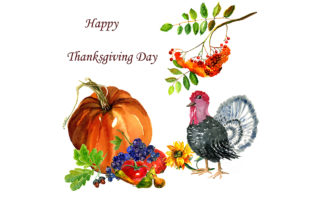
When I first opened the preview for Fall Clipart, the immediate feeling was one of cozy nostalgia. The shapes are distinct, avoiding the muddy, overly complex lines that can plague seasonal graphics. For an Etsy seller or a boutique owner looking to launch a fall collection, visual clarity is non-negotiable. These illustrations strike a balance between whimsy and professionalism. They don't look like generic clip art; they have a curated personality that suggests a high-quality handmade product.
The layout of the elements feels intentional. Whether it's a pumpkin, a maple leaf, or a harvest wreath, the negative space is respected. In embroidery, respecting negative space is crucial because it dictates where the fill stitch will land and where the fabric will breathe. If a design is too dense, it creates a plastic-like texture that ruins the drape of a garment. With Fall Clipart, the density appears manageable, promising a soft finish even on thicker fabrics.
Testing the Design: A Custom Tote Bag Scenario
To truly understand the utility of this file, I imagined a specific scenario: preparing a limited run of custom canvas tote bags for a local craft fair. The goal is a durable, stylish bag that customers will use for grocery shopping and carrying books all season long. I selected a medium-sized motif from the Fall Clipart collection—a cluster of leaves with a small acorn.
Here is where the practical judgment kicks in. On a heavy cotton canvas, the stitch density needs to be robust enough to hold up to friction but light enough not to pucker the fabric. When I mentally mapped out the stitching path, the running stitch outlines looked clean. This is vital for tote bags because they are handled constantly. If the outline is too thin or breaks up, the design looks cheap after just a few washes. The Fall Clipart lines seem thick enough to maintain integrity without becoming bulky.
I also considered the placement. Centered on the front of the bag, this design acts as a focal point. It's large enough to be seen from a distance at a market stall but detailed enough to reward close inspection. For a small shop product, this versatility is key. You want a design that sells itself on a table display and looks professional when the customer holds it up to their chest.
Navigating Fabric Challenges and Textures
While the design shines on stable fabrics like canvas or denim, we must discuss where caution is required. As any experienced decorator knows, not every surface plays nice with every file. If you plan to use Fall Clipart on stretchy materials like jersey knit for a sweatshirt embroidery project, you need to be strategic.
Stretchy fabric moves with the body. If the hoop size is too tight or the stabilizer isn't appropriate, the design can warp. I would recommend using a cut-away stabilizer for sweatshirts to support the weight of the stitches. Furthermore, if you are working with dark fabric, the thread colors in the original illustration might need adjustment. Fall themes often rely on warm oranges, reds, and browns. On black or navy backgrounds, these colors can lose contrast. Always test a printable mockup in black and white first to ensure the design pops against your chosen background.
Textured fabrics like fleece or flannel present another challenge. The nap of the fabric can hide fine details. If your version of Fall Clipart includes tiny lettering or intricate vein patterns on leaves, those details might get lost in the fuzz of a flannel shirt. In such cases, simplifying the design or choosing a larger hoop size to increase the scale is essential. Remember, what looks crisp on a screen does not always translate perfectly to a fuzzy surface.
Commercial Viability and Brand Consistency
For creative entrepreneurs, the question isn't just "Does it look good?" but "Does it add value?" Using Fall Clipart in your commercial embroidery projects can significantly boost brand consistency. Seasonal collections allow you to tap into timely trends, but the execution must remain professional. A poorly stitched seasonal item can damage your reputation more than it helps your sales.
These illustrations offer a cohesive aesthetic that works well across various product types. Imagine using the same motif on an embroidered patch for a hat, a baby embroidery design for a onesie, and a kitchen towel. This cross-product consistency builds recognition. Customers begin to associate your brand with quality seasonal decor. However, before selling finished items, you must confirm the licensing terms. Ensure you have the right to use these design assets for commercial purposes. Never assume a free download grants unlimited commercial rights.
Practical Notes for the Professional Stitcher
- Test on Scrap Fabric: Always run a test stitch on the actual fabric you intend to use. Check for puckering and thread breakage.
- Review Stabilizer Choice: Match your stabilizer to the fabric weight. Heavyweight canvas needs different support than delicate linen.
- Check Thread Contrast: Adjust thread colors to ensure visibility on dark or patterned fabrics.
- Inspect Small Details: Zoom in on the embroidery file to see if tiny elements will stitch out cleanly or become knots.
- Verify Licensing: Confirm you can sell products made with Fall Clipart before listing them on your shop.
- Consider Washability: For items like aprons or towels, ensure the stitch count and density can withstand frequent washing.
Final Verdict: Is It Worth Your Time?
In my experience, the best machine embroidery design files are those that respect the limitations of the medium while maximizing the beauty of the theme. Fall Clipart succeeds in this regard. It offers a versatile range of motifs that feel handcrafted yet are optimized for digitization. Whether you are creating a personalized gift for a friend or stocking inventory for your online store, these illustrations provide a solid foundation.
However, success ultimately depends on your preparation. Don't skip the testing phase. Don't ignore the fabric texture. And always keep the end-user in mind. When executed correctly, Fall Clipart can transform simple textiles into cherished keepsakes that capture the essence of the season. It is a reliable asset for any maker ready to put their skills to the test this autumn.